 |
 |
 |
|
 |
|
 |
| Start / | Knowledge / | Prints / |
| Changes | Combinations | Kinds | Parallel Issues | Phase Prints | Other Terms |
 |
Knowledge / Prints / Print Methods / Other Terms |
  |
  |
|
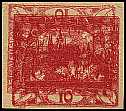
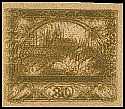
Proof print: prints generated at the start of printing that serve for quality control and are usually sorted out as printers waste |
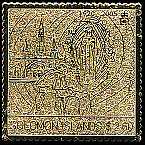
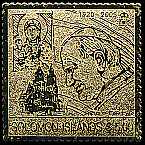
Etching: design print imprinted by acid or alkali into a metal foil |
|
   |
 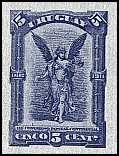 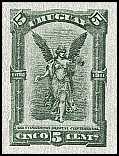 |
   |
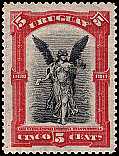
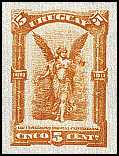
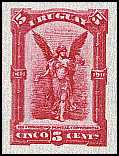
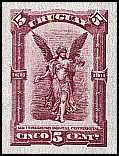
Colour proof print: the same prints in different colours or colour shades for the purpose of assessing the colour effect and determining the final printing colour |
Hand stamp print: printing that was carried out with a hand stamp (e.g., postage stamp overprint) |
|
   |
 |
 |
Hologram: metal foil that serves as a storage medium for a (three-dimensional) laser image |
Laser engraving: postage stamp design print that has been cut into relief using a laser (e.g., in a rubber mat) |
Laser cutting: postage stamp design print burned in with a laser (e.g. in leather) |
  |
  |
 |
Laser cutting: postage stamp design print as a paper cut which was cut with a laser |
Machine test: non-valid postage stamp-like print for the purpose of checking a printing press after assembly or repair |
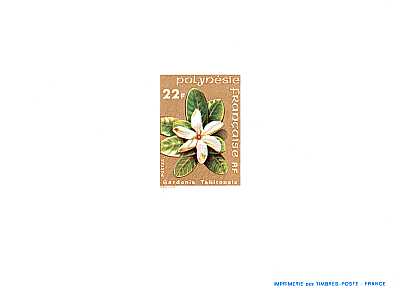
Ministerial print: very carefully executed proof print on high-quality paper presented as a token of honor or gift by a high-ranking person (e.g., minister, diplomat) |
   |
  |
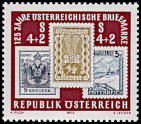 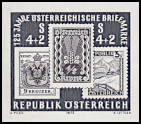 |
Plate print: collective term for prints made from a flat printing plate |
Proof: testing by means of a trial to deter-mine whether, for example, the printing process or printing ink is suitable for the intended purpose or meets the artistic requirements |
Black print: non-valid postage stamp-like print in black ink for sale to postage stamp collectors |
  |
   |
   |
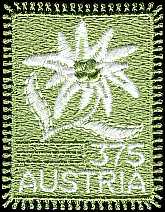
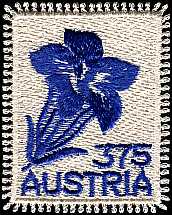
Embroidery: postage stamp image embroidered on fabric using thread |
Type print: printing that was set from type material (e.g. letters and decorative elements) |
Rotary press print: collective term for prints made from a printing plate bent around a printing cylinder |
 |
 |